TheJakartaPost
Please Update your browser
Your browser is out of date, and may not be compatible with our website. A list of the most popular web browsers can be found below.
Just click on the icons to get to the download page.


Popular Reads
Top Results
No results found. Please check your search term and try again
Can't find what you're looking for?
View all search results
Popular Reads
Top Results
No results found. Please check your search term and try again
Can't find what you're looking for?
View all search results Unfolding Stories
When illegal fishing facilitates drug smuggling
The long coastline and presence of dozens of illegal ports scattered along the coastline have turned the Riau archipelago into an alternative access to Indonesia for many drug syndicates.
Change text size
Gift Premium Articles
to Anyone
Share the best of The Jakarta Post with friends, family, or colleagues. As a subscriber, you can gift 3 to 5 articles each month that anyone can read—no subscription needed!
 Set as preferred source
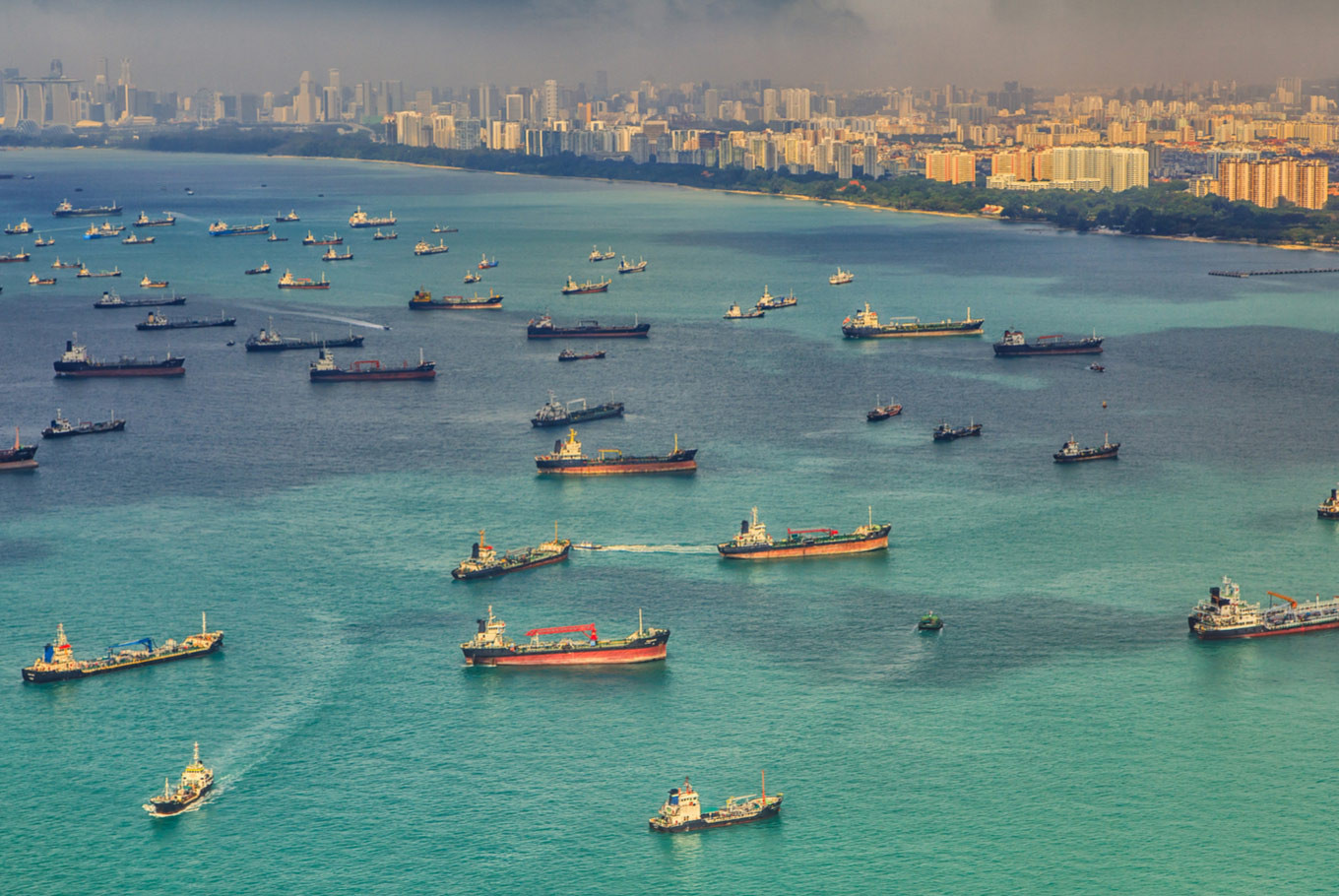 The Strait of Malacca, a narrow 890-kilometer stretch of water between the Malay Peninsula and Sumatra, remains vulnerable to transnational crimes as evidenced by the high number of drug smuggling attempts that have been foiled by authorities in recent years. (Shutterstock/File)
T
he practice of illegal, unreported and unregulated (IUU) fishing is driven by greed, weak fisheries governance and poor monitoring and law enforcement. When compared with the profits and income obtained from IUU fishing, the risk of the illicit activities is considered small.
With such a pretext, drug smuggling through fishing vessels is inevitable. Drug-related crimes are now related, perhaps closely, to fisheries.
IUU fishing is a transnational organized crime analogous to the mafia organization in Italy. Even the United Nations Office on Drugs and Crime stated in 2011 that Italian mafia syndicates also controlled the global maritime and fisheries business.
Drug smuggling through the sea by a network of drug syndicates is organized crime, with both individuals and groups planning and carrying out illegal activities in more than one region or country. The roles played by drug syndicates also vary. The organized group of actors acts as financiers, drug owners, producers, controllers, big dealers, dealers, sellers/distributors and couriers.
The number of arrests of drug smugglers on Indonesian land borders is not small. They occurred, for example, on the Timor Leste border with Atambua, the Papua New Guinea border with Skouw in Jayapura, the Malaysian border with Aceh Tamiang and Lhokseumawe, and the Dumai and Bengkalis borders.
International drug syndicates also choose sea borders to smuggle drugs. This is evident in the capture of foreign ships carrying drugs in the waters of Riau Islands bordering Malaysia. The long coastline and presence of dozens of illegal ports scattered along the coastline have turned the Riau archipelago into an alternative access to Indonesia for many drug syndicates.
The Maritime Affairs and Fisheries Ministry and the Gorontalo office of the National Narcotics Agency (BNN) discovered in mid-August a fishing boat that was used by a drug trafficking syndicate. The finding should mark the start of a paradigm shift regarding IUU fishing, which has so far been limited to the problem of “fish theft” toward a “new trend of fisheries crimes” in Indonesia. During the arrest, two crew members tested positive for drugs.