TheJakartaPost
Please Update your browser
Your browser is out of date, and may not be compatible with our website. A list of the most popular web browsers can be found below.
Just click on the icons to get to the download page.


Popular Reads
Top Results
No results found. Please check your search term and try again
Can't find what you're looking for?
View all search results
Popular Reads
Top Results
No results found. Please check your search term and try again
Can't find what you're looking for?
View all search resultsMillennials in search of Indonesian ballet
Change text size
Gift Premium Articles
to Anyone
Share the best of The Jakarta Post with friends, family, or colleagues. As a subscriber, you can gift 3 to 5 articles each month that anyone can read—no subscription needed!
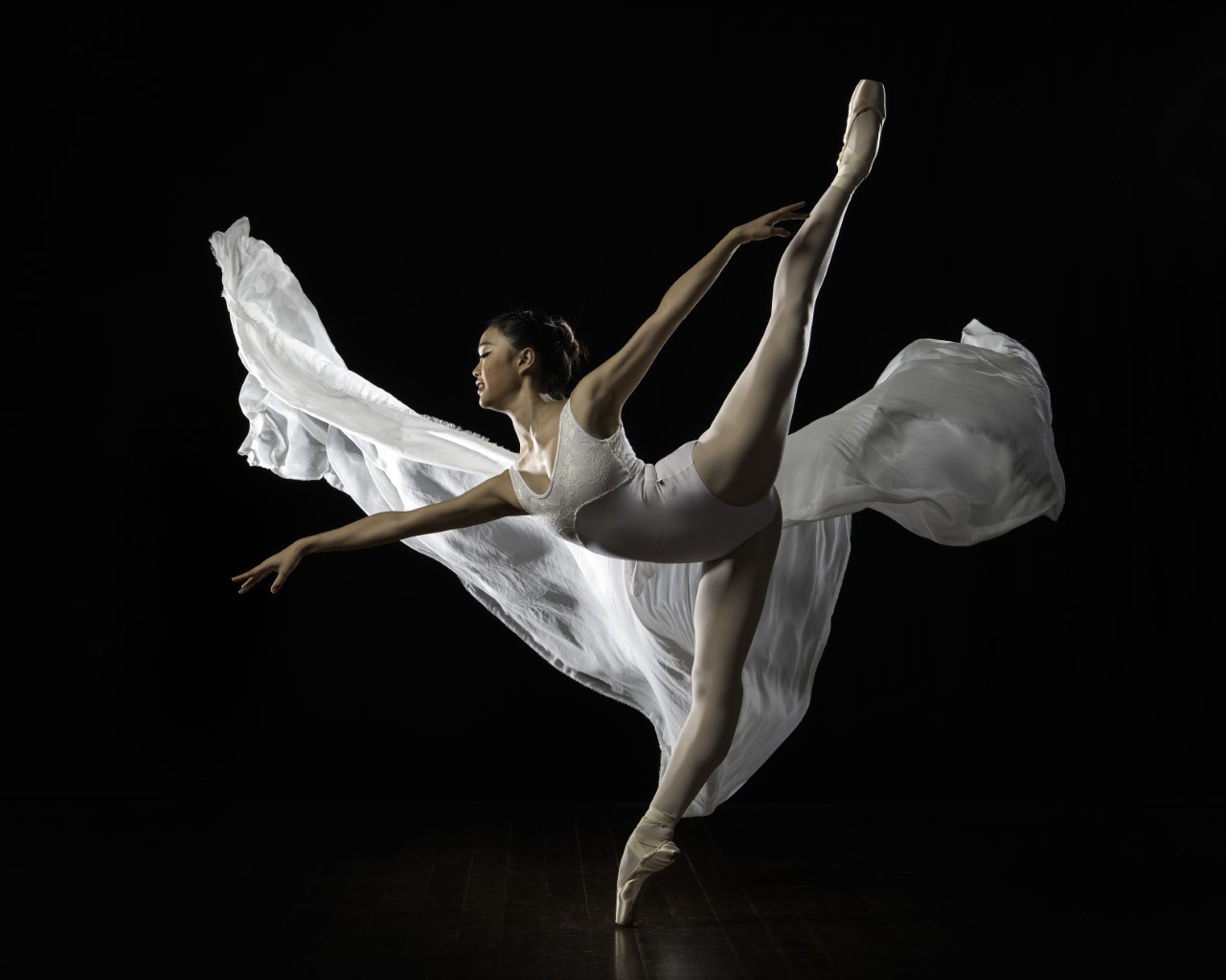 Poise: After completing training in New York under American ballerina Gelsey Kirkland, Jemima Vaya joined the Melbourne City Ballet as an emerging artist. (JP/Martha Suherman )
Young, talented and packed with graceful moves. They are the young dancers who will shape the future of Indonesian ballet.
Ballet has always been regarded as a trained form of dancing that requires thousands hours of practice. It should not be misconstrued as a dance that’s just for the ladies. Some of the greatest ballet dancers such as Mikhail Baryshnikov and Rudolf Nureyev were men who gave phenomenal performances time and again to audiences who were delighted and amazed to witness their strength, endurance, beauty and grace.
The two were Russian, and indeed through them, as well as choreographers Diaghilev and Mikhail Fokin and also composers such as Tchaikovsky and Prokofiev, Russia has become the epicenter of ballet. Russia’s impressive reputation in ballet has made most of us forget that the graceful dance originated in Italy in the 15th century and expanded worldwide. As a result, the art interacted with different cultures and evolved in a number of distinct ways.

In the early 20th century, Russian-born ballet choreographer George Balanchine took the techniques from his education in St. Petersburg and fused it with other styles of movement that he adopted during his tenure as a guest choreographer on Broadway and in Hollywood to create neoclassical style.
His signature ballet style, among others, earned Balanchine a reputation as "the father of American ballet."
Balanchine was invited to the United States in 1933 by a young arts patron named Lincoln Kirstein who shared Balanchine's ideas, concepts and attitude, and together they founded the New York City Ballet.
Some other countries have it their stride in ballet, but what about Indonesia? If she were still alive, the mother of Indonesian ballet, Farida Oetoyo, would be 80 this July, but has her search for authentic Indonesian ballet been accomplished? What is Indonesian ballet, anyway? Have today's choreographers and ballet dancers cultivated the rich asset of Indonesian culture that would be great material for storylines, music and even the dance movements?