TheJakartaPost
Please Update your browser
Your browser is out of date, and may not be compatible with our website. A list of the most popular web browsers can be found below.
Just click on the icons to get to the download page.


Popular Reads
Top Results
No results found. Please check your search term and try again
Can't find what you're looking for?
View all search results
Popular Reads
Top Results
No results found. Please check your search term and try again
Can't find what you're looking for?
View all search results




Judge dismisses lawsuit over Apple iPhone water resistance claims
Apple's advertisements had made various claims about the iPhone's resistance to damage when submerged or otherwise exposed to water, including that some models could survive depths of 4 meters (13.1 feet) for 30 minutes.
Change text size
Gift Premium Articles
to Anyone
Share the best of The Jakarta Post with friends, family, or colleagues. As a subscriber, you can gift 3 to 5 articles each month that anyone can read—no subscription needed!
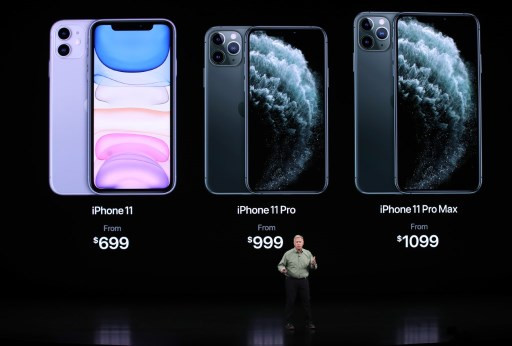 Apple's senior vice president of worldwide marketing Phil Schiller talks about the new iPhone 11 Pro during an Apple special event on September 10, 2019 in Cupertino, California. Apple is unveiling new products during a special event at the Apple headquarters in Cupertino, California. (AFP/Justin Sullivan/Getty Images).
Usage: 0 (AFP/Justin Sullivan/Getty Images)
Apple's senior vice president of worldwide marketing Phil Schiller talks about the new iPhone 11 Pro during an Apple special event on September 10, 2019 in Cupertino, California. Apple is unveiling new products during a special event at the Apple headquarters in Cupertino, California. (AFP/Justin Sullivan/Getty Images).
Usage: 0 (AFP/Justin Sullivan/Getty Images)
A federal judge on Wednesday dismissed a proposed class-action lawsuit accusing Apple Inc of misleading consumers about how resistant its iPhones are to water exposure.
Apple's advertisements had made various claims about the iPhone's resistance to damage when submerged or otherwise exposed to water, including that some models could survive depths of 4 meters (13.1 feet) for 30 minutes.
The named plaintiffs, two from New York and one from South Carolina, claimed that Apple's "false and misleading" misrepresentations let the company charge twice as much for iPhones than the cost of "average smartphones."
U.S. District Judge Denise Cote in Manhattan said the plaintiffs plausibly alleged that Apple's ads could mislead consumers, but did not show their iPhones were damaged by "liquid contact" Apple promised they could withstand.
The judge also found no proof of fraud, citing a lack of evidence that Apple intended to overstate its water resistance claims, or that the plaintiffs relied on fraudulent marketing statements when buying their iPhones.
Spencer Sheehan, a lawyer for the plaintiffs, said his clients are disappointed with the decision, and no decision has been made whether to appeal.
Neither Apple nor lawyers for the Cupertino, California-based company immediately responded to requests for comment.
In the quarter ended Dec. 25, 2021, iPhones accounted for $71.6 billion, or 58%, of Apple's $123.9 billion of net sales.



More from The Weekender

Jakarta’s padel moment
From FOMO to full-blown obsession, padel has captured the city. What comes next may depend less on courts and more on the communities that grow around them.

The battle over memory
And why the government’s plan to rewrite its history books should alarm us all.

Are younger workers getting something right about work?
As micro-retirements gain traction, Gen Z and young millennials are challenging traditional ideas of ambition, success and when it’s okay to pause.